


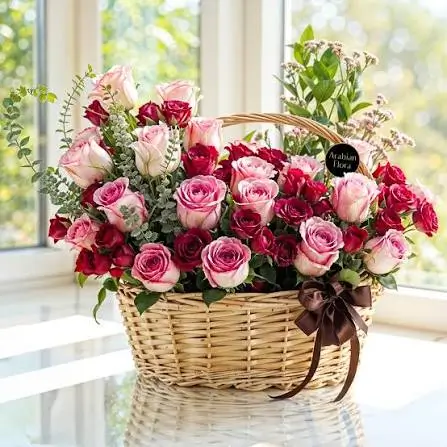
Pink roses have a way of making an ordinary garden feel special
Pink roses have a way of making an ordinary garden feel special. Their soft petals can range from almost white blush tones to vivid hot pink, while their fragrance may be delicate and sweet or rich and unmistakable. Whether they are climbing over an old garden wall, filling a sunny border with color, or sitting in a simple vase on a dining table, pink roses have a charm that rarely feels excessive.
Part of their appeal comes from their remarkable variety. Some pink roses produce large, formal flowers with dozens of tightly packed petals, while others have open, natural-looking blooms that attract pollinators. There are compact roses suited to containers, vigorous climbers for fences and arches, and hardy shrub varieties that can provide color for much of the growing season. Choosing the right rose, however, involves more than picking a pretty flower. Light, soil, climate, available space, pruning habits, and disease resistance all influence how successfully a rose will perform.
Pink roses are also rich in symbolism. Depending on the shade and occasion, they can express admiration, gratitude, affection, elegance, friendship, or gentle romance. That versatility makes them popular for everything from birthdays and anniversaries to weddings and everyday gifts. With the right variety and thoughtful care, they can be equally rewarding in a home garden.
Understanding the Beauty and Variety of Pink Roses
The phrase “pink rose” describes a remarkably broad group of roses rather than one particular plant. Pink flowers occur across many different rose types, including hybrid teas, floribundas, grandifloras, shrubs, climbers, ramblers, and miniature roses. Their colors can be surprisingly diverse. A pale shell-pink bloom may look almost cream in bright sunlight, while another variety may produce petals in deep magenta or striking fuchsia. Some flowers even change subtly as they mature, becoming lighter or darker as the petals open.
Flower form varies just as much as color. Hybrid tea roses are often admired for their classic, high-centered blooms carried on long stems, making them especially useful as cut flowers. Floribundas generally produce clusters of flowers and can create a much fuller display in a garden bed. Shrub roses tend to have a relaxed, generous growth habit and are useful when a gardener wants something that looks natural rather than formally shaped. Climbers, meanwhile, can transform an otherwise plain fence, pergola, or wall into a living curtain of flowers.
Popular shades and what they communicate
The shade of pink can influence the feeling a rose creates. Very pale pink roses often suggest tenderness, grace, appreciation, and gentleness. Medium pink flowers tend to have a warmer, more expressive appearance and are frequently associated with admiration and affection. Deep pink or cerise-colored roses can feel energetic and confident without having the intensity commonly associated with red roses.
This range makes pink roses particularly flexible when selecting flowers for a gift or event. A delicate blush bouquet may suit a baby celebration or a thoughtful thank-you, while richer pink blooms can make a dramatic anniversary arrangement. In the garden, combining several shades can create depth without the visual heaviness that sometimes comes from using one strong color throughout a planting scheme.
Choosing the Right Pink Rose for Your Garden
Selecting a pink rose should begin with the conditions of the garden rather than the flower color alone. Most roses perform best where they receive plenty of direct sunlight, ideally around six hours or more each day. Good air circulation is equally useful because crowded, poorly ventilated plants tend to have more problems with fungal diseases. Before planting, look at the area throughout the day and consider whether nearby buildings, trees, or walls create shade during the hours when sunlight would otherwise be strongest.
Space is another major consideration. A miniature or compact rose may be perfectly comfortable in a large container or small border, while a vigorous climbing rose can eventually cover several meters of support. Plant labels provide useful information about mature height and width, but gardeners should also consider the rose’s growth habit. A rose that naturally spreads outward may need considerably more room than one that grows upright, even if their advertised heights are similar.
Matching the rose to your purpose
Think about what you want the plant to accomplish. If the main goal is cutting flowers for the house, look for varieties known for attractive stems and repeat flowering. If you want a colorful hedge, a robust shrub rose may be more practical. For an entrance arch or pergola, a climbing variety can provide vertical interest that would be impossible with a compact bush.
Climate should also influence the decision. A rose that thrives in one region may struggle in another because of differences in winter temperatures, summer heat, humidity, rainfall, or local disease pressure. When possible, choose varieties proven to perform well in your local growing conditions. Disease resistance is especially valuable because a rose that remains healthy naturally requires less intervention and tends to look better throughout the season.
Planting Pink Roses for Strong, Healthy Growth
Good planting establishes the foundation for years of healthy growth. Start by selecting a location with adequate sunlight and well-drained soil. Roses dislike sitting in permanently waterlogged ground, so heavy soil may need improvement with suitable organic matter or better drainage. A planting hole should be wide enough to allow the roots to spread comfortably rather than forcing them into a narrow space.
When planting a container-grown rose, gently loosen any tightly circling roots before positioning the plant. Set the rose at an appropriate depth according to the plant’s type and local conditions, then refill the hole with the excavated soil and water thoroughly. Avoid packing the soil so tightly that air and water cannot move through it. A layer of organic mulch around the plant can help conserve moisture and moderate soil temperature, but leave a small gap around the base of the stem rather than piling mulch directly against it.
Bare-root roses require slightly different handling. Their roots should not be allowed to dry out before planting, and they are generally planted while dormant. Soaking dry roots briefly before planting can help rehydrate them. Once planted, water thoroughly so the soil settles around the roots and eliminates large air pockets.
The first few weeks matter
Newly planted roses need consistent moisture while their root systems become established. This does not mean keeping the soil constantly wet. Instead, water deeply when necessary, allowing the soil surface to dry somewhat between watering sessions depending on weather and soil type. Deep watering encourages roots to explore the surrounding soil rather than remaining concentrated near the surface.
Avoid treating fertilizer as a substitute for good planting. A rose struggling because of poor drainage, insufficient sunlight, or drought will not become healthy simply because more fertilizer is added. Establish the basic growing conditions first. Once the plant is actively growing, a suitable rose fertilizer or balanced plant feed can support flowering, but excessive feeding can encourage soft growth that is more vulnerable to pests and disease.
Caring for Pink Roses Throughout the Growing Season
Regular care keeps pink roses flowering strongly and helps them maintain attractive foliage. Watering is one of the most important jobs, particularly during periods of heat or drought. Established roses are generally better served by thorough watering at appropriate intervals than by frequent, shallow sprinkling. Water directed toward the soil also helps keep the foliage dry, which can reduce conditions favorable to some fungal problems.
Feeding can support vigorous flowering when used thoughtfully. Many gardeners provide nutrients during active growth, following the directions of the chosen fertilizer rather than assuming that more is better. Mulching with well-rotted organic material can also contribute to soil health while reducing moisture loss. However, mulch should be kept away from the crown and main stems to reduce the risk of persistent moisture around the plant’s base.
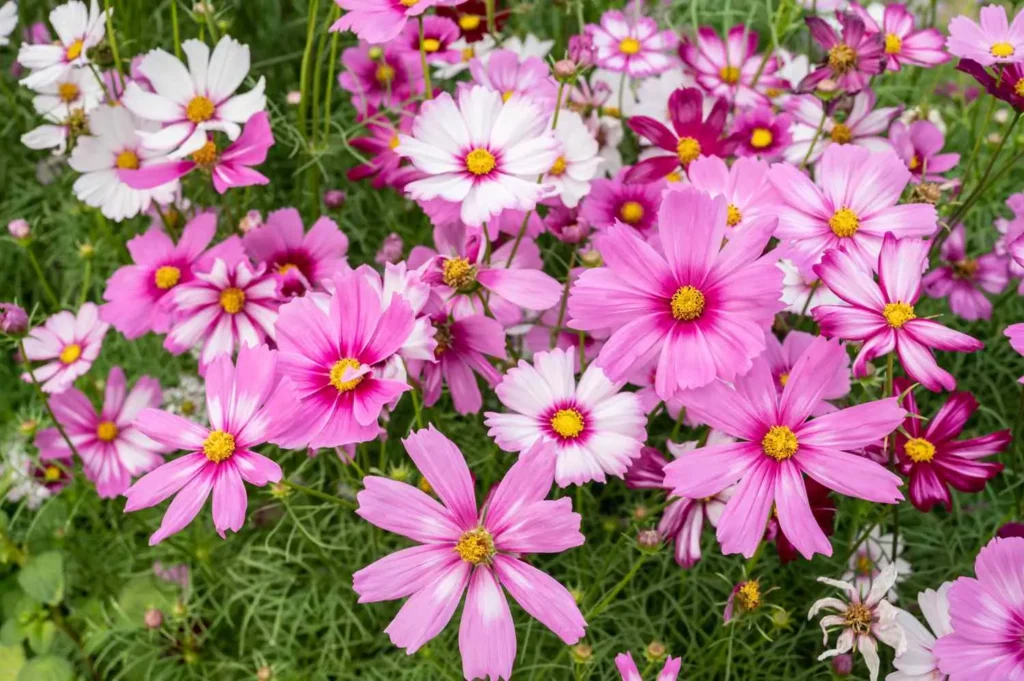
Deadheading Pink roses is another useful task, particularly for repeat-flowering roses. Removing spent flowers can make the plant look tidier and, depending on the rose, encourage additional blooms. The exact technique depends on the variety and whether you want the plant to produce decorative hips later in the season. Roses grown for their hips may be allowed to keep some spent flowers rather than having every bloom removed.
Pruning without fear
Pruning often intimidates new rose growers, but the basic principles are straightforward. Start by removing dead, damaged, diseased, or weak wood. Then consider the shape of the plant and remove branches that cross or rub against one another. The objective is not to cut as much as possible. Good pruning creates a healthier structure, improves air movement, and directs the plant’s energy toward useful growth.
The best pruning method and timing vary by rose type and climate. Many repeat-flowering modern roses receive their main structural pruning during dormancy or before strong spring growth begins, while climbing roses often require a different approach. Ramblers that flower on older wood can be especially sensitive to poorly timed pruning. Learning what type of rose you have before reaching for the secateurs can prevent the most common pruning mistakes.
Always use clean, sharp tools. A clean cut made with a sharp blade heals more readily than a crushed or ragged cut. Rather than treating pruning as a yearly punishment for the plant, think of it as a way to guide growth and maintain a strong, balanced framework.
Protecting Pink Roses From Common Problems
Even healthy roses can encounter pests and diseases. Aphids are among the most familiar visitors, often gathering around young shoots and flower buds. They can sometimes be controlled naturally by predators such as ladybirds and lacewings, while a strong spray of water may dislodge small populations. The presence of a few aphids does not automatically mean a rose is in serious danger; the overall health of the plant and the size of the infestation matter.
Black spot is another common concern, particularly in humid conditions or where foliage remains wet for extended periods. It appears as dark spots on leaves and may eventually cause affected foliage to yellow and fall. Powdery mildew can also occur, producing a pale, powdery coating on leaves and shoots. Good spacing, suitable sunlight, removal of badly affected fallen leaves, and careful watering can all contribute to healthier plants.
Building resilience instead of reacting to every symptom
One of the best ways to reduce rose problems is to start with a healthy, well-suited variety. A rose with strong disease resistance and good adaptation to the local climate has an advantage before the first pest arrives. Proper spacing and pruning then help maintain airflow around the foliage.
Garden hygiene also has a role. Remove severely diseased leaves and fallen debris when appropriate, particularly if they are contributing to recurring disease problems. Do not automatically reach for a pesticide every time you see an insect. Many garden creatures are harmless or beneficial, and indiscriminate treatments can remove predators that naturally help keep pest populations under control. If a treatment is genuinely necessary, identify the problem first and follow the product label carefully.
Conclusion
Pink roses combine beauty, variety, fragrance, and symbolism in a way few garden plants can match. From delicate blush flowers to rich, dramatic pink blooms, there is a rose for nearly every style of garden and many different growing situations. The key is to choose a variety suited to the space and climate, then give it the fundamentals it needs: sufficient sunlight, healthy soil, sensible watering, good airflow, and thoughtful pruning.
Caring for roses does require attention, but it does not have to be complicated. A gardener who learns to observe the plant—how quickly it dries out, where new growth appears, when flowers fade, and how the foliage responds to weather—can usually make better decisions than someone following a rigid routine. With patience and regular care, pink roses can become more than seasonal decorations. They can form a lasting part of the garden, returning each year with new flowers and a familiar sense of beauty.
FAQs About Pink Roses
1. What do pink roses symbolize?
Pink roses commonly symbolize admiration, appreciation, affection, grace, gentleness, and gratitude. The exact meaning can vary with the shade and the occasion. Pale pink often feels delicate and tender, while deeper pink can express stronger admiration and appreciation.
2. Are pink roses easy to grow?
Many pink roses are relatively easy to grow when planted in suitable conditions. They generally need plenty of sunlight, well-drained soil, adequate moisture, and regular maintenance. Choosing a disease-resistant variety can make growing them considerably easier for beginners.
3. How much sunlight do pink roses need?
Most roses perform best with around six hours or more of direct sunlight each day. Some varieties can tolerate a little less, but insufficient sunlight can result in weaker growth, fewer flowers, and increased disease problems.
4. How often should pink roses be watered?
Watering frequency depends on temperature, rainfall, soil type, and the plant’s age. Newly planted roses need consistent moisture while establishing roots. Established plants generally benefit from deep watering when the soil begins to dry rather than frequent shallow watering.
5. When should pink roses be pruned?
The ideal pruning time depends on the type of rose and local climate. Many modern repeat-flowering roses are pruned during dormancy or just before strong spring growth. Climbers and ramblers may require different timing because some flower on older wood.
6. Can pink roses grow in containers?
Yes. Compact and miniature pink roses can grow very well in containers when provided with adequate pot size, drainage, sunlight, water, and nutrients. Large climbing or vigorous shrub roses are generally better suited to open ground because they need more room for their roots and branches.
7. Why are the leaves on my pink rose turning yellow?
Yellow leaves can result from several causes, including overwatering, underwatering, nutrient problems, poor drainage, insufficient light, or disease. Look at the entire plant rather than assuming the leaf color identifies one specific problem.
8. How can I make pink roses bloom more?
Give the plant sufficient sunlight, adequate water, suitable nutrition, and appropriate pruning. Removing spent flowers from repeat-flowering varieties can also encourage another flush of blooms. Avoid excessive nitrogen fertilizer, which can promote leafy growth at the expense of flowers.
9. Do pink roses have fragrance?
Some pink roses are strongly fragrant, while others have little or no noticeable scent. Fragrance varies considerably between varieties, so gardeners who consider scent a priority should specifically choose a rose bred or known for its fragrance.
10. Can pink roses survive winter?
Many pink roses can survive winter, but hardiness varies greatly by variety and climate. In colder regions, appropriate planting depth, mulch, protection from severe weather, and selection of a suitably hardy cultivar can improve winter survival. Always consider the particular rose’s recommended hardiness range.
