


A photograph captures what someone looks like,
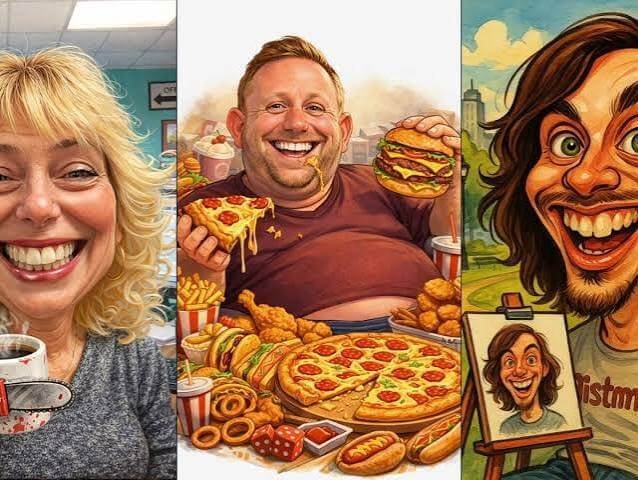
A photograph captures what someone looks like, but a caricature can capture how someone feels. That difference is one reason the caricature trend has attracted so much attention among artists, creators, celebrities, and everyday users. Familiar faces are being transformed into exaggerated illustrations with oversized eyes, distinctive smiles, dramatic hairstyles, unusual proportions, and expressive personalities.
What makes this trend particularly interesting is that caricature is not a completely new art form. Traditional caricature has existed for centuries, appearing in newspapers, political cartoons, magazines, street art, and entertainment. The modern version simply gives the concept new creative possibilities. Digital illustration, mobile editing tools, drawing applications, and image-generation technology have made stylized portrait creation easier to explore.
The appeal goes beyond simply making a person look funny. A successful caricature identifies the characteristics that make a face recognizable and then exaggerates them without completely losing the person’s identity. That combination of recognition, humor, personality, and artistic interpretation is what gives the caricature trend its lasting charm.
What Is the Caricature Trend and Where Did It Come From?
At its heart, caricature is an artistic technique based on exaggeration. An artist studies a person’s recognizable characteristics caricature trend and intentionally pushes them beyond normal proportions. A prominent nose may become larger, a distinctive jaw may become more dramatic, or expressive eyebrows may receive extra attention. The goal is not simply to distort a face randomly. Good caricature depends on selective exaggeration.
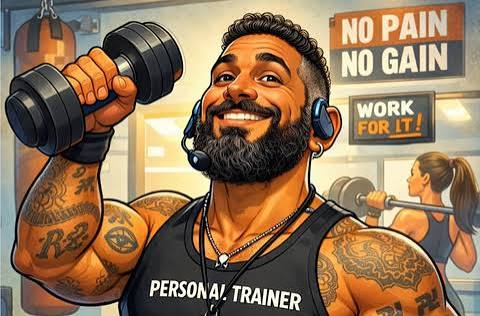
The roots of caricature can be traced through European art and satire, particularly during periods when artists used exaggerated portraits to comment on public figures and social behavior. Political caricatures became especially influential because a carefully exaggerated face could communicate an opinion instantly. Newspapers and illustrated publications helped establish caricature as a recognizable visual language, allowing artists to turn complicated personalities into memorable drawings.
The modern caricature trend has expanded that tradition far beyond political cartoons. People now use caricature-style portraits for profile pictures, gifts, wedding illustrations, birthday artwork, posters, social media posts, merchandise, and personal projects. Instead of being limited to professional cartoonists, caricature has become something ordinary users can experiment with themselves.
Traditional Caricature Meets Digital Creativity
The biggest change is not the basic artistic principle but the speed and accessibility of the process. Traditionally, creating a detailed caricature required considerable drawing ability and often involved pencils, ink, paper, paints, or specialized illustration software. Today, digital artists can sketch, reshape, color, revise, and export artwork without starting again from scratch.
That accessibility has also encouraged experimentation. One person may prefer a clean cartoon appearance, while another may choose a highly exaggerated comic style. Some portraits resemble hand-drawn newspaper cartoons, whereas others combine caricature with anime, realistic illustration, pop-art influences, or three-dimensional digital aesthetics.
Why Has the Caricature Trend Become So Popular?
One major reason for the popularity of the caricature trend is its emotional quality. A standard portrait attempts to preserve someone’s appearance, while a caricature often highlights what makes that person memorable. It can emphasize a characteristic expression, hairstyle, posture, clothing choice, or facial feature. As a result, the finished artwork can feel more personal than a conventional photograph.
Humor is another powerful factor. People naturally enjoy seeing familiar things presented from an unexpected perspective. When an artist exaggerates a friend’s grin or gives a recognizable hairstyle an amusing amount of volume, the result creates a playful connection between the original person and the artwork. The humor works best when the exaggeration remains affectionate rather than insulting.
Social media has also helped the style spread because caricatures are visually distinctive. A conventional photograph may look similar to thousands of other portraits in a scrolling feed. A colorful caricature immediately has a different visual identity. This makes the format attractive for profile images, celebrations, creative challenges, digital artwork collections, and personal posts.
Personality Matters More Than Perfect Proportions
An interesting characteristic of caricature is that technical perfection is not necessarily the primary objective. A beautifully proportioned drawing can be impressive, but it may not communicate much about the subject. A slightly rougher illustration with a strong understanding of personality can sometimes feel much more successful.
This is why professional caricature artists pay close attention to small details. Perhaps someone constantly raises one eyebrow when speaking. Maybe their smile becomes noticeably wider on one side. Perhaps their glasses sit slightly lower on their nose. These seemingly minor details can become essential ingredients in a convincing caricature.
The best caricature trend creations therefore do not exaggerate everything equally. They identify what matters most and make those characteristics visually dominant while keeping enough familiar information for the viewer to recognize the subject.
The Different Styles Shaping Modern Caricature Art
There is no single formula for creating a caricature. Modern artists use a wide range of visual approaches, and this variety has helped the caricature trend remain fresh. Traditional hand-drawn caricatures continue to have a special appeal because they contain visible evidence of the artist’s individual technique. Pencil shading, ink outlines, watercolor textures, and brushwork can give every portrait a handmade character.
Digital cartoon caricatures offer another popular direction. These illustrations often feature clean outlines, simplified shapes, bright colors, and exaggerated expressions. caricature trend They work particularly well for profile pictures and gifts because the artwork remains recognizable even when displayed at a relatively small size.
Realistic, Cartoon and Artistic Approaches
Some caricatures sit surprisingly close to realism. Instead of dramatically changing the entire face, the artist makes subtle adjustments to proportions while maintaining realistic skin, hair, lighting, and facial structure. The result can be humorous without becoming excessively cartoonish.
At the other extreme are highly stylized caricatures in which facial features become extremely exaggerated. Eyes, ears, noses, mouths, heads, or hairstyles may be enlarged dramatically. These versions are usually designed for entertainment and often produce an immediate reaction caricature trend.
There are also hybrid styles. Artists may combine caricature with comic-book illustration, watercolor painting, vintage poster design, minimalist line art, fantasy illustration, or three-dimensional rendering. This flexibility is one reason people with very different artistic tastes can participate in the same trend.
Choosing a Style for the Subject
The most suitable style depends on the purpose of the portrait. A humorous birthday gift might benefit from strong exaggeration, caricature trend while a professional illustration could work better with restrained distortion. A wedding caricature may emphasize clothing and body language, whereas a celebrity-inspired artwork might focus primarily on facial recognition.
Context matters as much as technique. A caricature designed for a private joke can be considerably more playful than one intended for a public event. Understanding the audience helps an artist decide how far the exaggeration should go.
How to Create a Memorable Caricature
Creating an effective caricature starts with observation rather than drawing. Before changing proportions, study the subject carefully. Look at the overall shape of the head, the distance between facial features, the hairstyle, eyebrows, eyes, nose, mouth, ears, and chin. Notice expressions that appear repeatedly.

A useful approach is to identify three or four defining characteristics instead of attempting to exaggerate every feature. For example, a person might be caricature trend recognizable because of thick eyebrows, round glasses, curly hair, and a distinctive smile. Enlarging those characteristics while simplifying less important details can produce a much stronger result than randomly distorting the entire face.
Expression should receive special attention. A neutral face and a laughing face communicate very different personalities. If the caricature is intended to feel energetic, the artist can exaggerate the expression itself through raised eyebrows, wider eyes, a larger smile, caricature trend or a more dramatic head position.
Color, Clothing and Background
Color can completely change the character of a caricature. Bright colors can create a cheerful and playful atmosphere, while muted tones can give the artwork a more sophisticated or vintage appearance. Skin tones, hair colors, clothing, and background elements should work together rather than competing for attention.
Clothing can also become part of the storytelling. A person’s favorite jacket, recognizable uniform, hat, glasses, or accessory may be just caricature trend as important to their identity as a facial feature. Including these elements gives the viewer additional clues about the subject.
Backgrounds should generally support the character instead of overwhelming it. A simple gradient, subtle pattern, recognizable location, caricature trend or small collection of symbolic objects can add context without distracting from the face.
The Cultural Impact and Future of the Caricature Trend
The caricature trend demonstrates how older artistic traditions can take on new meaning when they enter digital culture. Caricature was once strongly associated with newspapers, political satire, fairs, and professional illustrators. Today, the same basic idea can appear in digital portraits, personalized gifts, online communities, entertainment content, and creative experiments.
There is also an important cultural dimension to caricature. Exaggeration can communicate identity, humor, social commentary, admiration, or criticism. That makes the art form powerful, but it also requires judgment. A caricature intended to celebrate someone’s personality should feel affectionate rather than humiliating.
Artists also need to think carefully about representation. Exaggerating a hairstyle, expression, or fashion choice is very different from exaggerating characteristics associated with someone’s ethnicity, disability, or other sensitive personal attributes. Responsible caricature focuses on recognizable individuality without turning vulnerable characteristics into the joke.
Technology and the Next Generation of Caricature
Digital tools are likely to continue influencing the way caricatures are produced and shared. Artists can already combine drawing, photo references, digital painting, animation, and other creative techniques in a single project. As these tools become more sophisticated, the distinction between traditional illustration and digital artwork will become increasingly fluid.
Yet technology does not eliminate the need for artistic judgment. A tool can produce an exaggerated face, but understanding which feature should be exaggerated is a creative decision. The human element remains important because humor and personality depend heavily on context.
The future of the caricature trend will probably involve more experimentation rather than one dominant style. Some creators will continue drawing by hand, others will work digitally, and many will combine several approaches. What remains constant is the basic appeal: taking something recognizable and transforming it into something surprising.
Conclusion
The caricature trend is much more than a passing visual style. It represents a modern continuation of an artistic tradition built around observation, exaggeration, humor, and personality. Its popularity comes from its ability to transform an ordinary portrait into something distinctive and emotionally engaging.
Whether created with pencil and paper or through sophisticated digital tools, a successful caricature depends on understanding the subject. The strongest artwork does not simply make a face bigger or stranger. It identifies the characteristics that make someone recognizable and turns those qualities into a visual story.
That is ultimately why caricature remains so appealing. It gives people a chance to see familiar faces in an unfamiliar way while preserving the personality that made those faces recognizable in the first place.
Frequently Asked Questions About the Caricature Trend
1. What is the caricature trend?
The caricature trend refers to the growing popularity of turning ordinary portraits into exaggerated, humorous, or highly stylized artwork. It builds on the traditional art of caricature while incorporating modern digital illustration and creative tools.
2. What makes a good caricature?
A good caricature combines recognizable features with thoughtful exaggeration. Instead of distorting every part of the face, the artist identifies the characteristics that make the subject distinctive and emphasizes those qualities.
3. Is caricature supposed to look realistic?
Not necessarily. Some caricatures remain relatively close to realistic proportions, while others use extreme cartoon-like exaggeration. The appropriate level of realism depends on the artist’s style and the purpose of the artwork.
4. Why are caricatures considered funny?
Caricatures often create humor by taking familiar characteristics and exaggerating them beyond their normal appearance. The contrast between reality and the exaggerated illustration produces the playful effect associated with the art form.
5. Can anyone create a caricature?
Yes. Basic caricature techniques can be learned through practice and observation. Beginners can start by studying facial proportions, expressions, and distinctive characteristics before gradually experimenting with exaggeration.
6. What features should be exaggerated in a caricature?
There is no universal rule. Artists generally look for features that are especially noticeable or distinctive, such as eyebrows, eyes, noses, hairstyles, smiles, glasses, jawlines, or facial expressions.
7. Are digital caricatures different from traditional caricatures?
The fundamental artistic principle is the same, but the production process differs. Traditional caricatures may use pencils, ink, paint, or paper, while digital caricatures are created using drawing applications and digital illustration tools.
8. Can a caricature be used as a gift?
Absolutely. Personalized caricatures are popular as birthday gifts, wedding presents, anniversary artwork, retirement gifts, and souvenirs. Adding meaningful clothing, objects, locations, or inside jokes can make the illustration even more personal.
9. Is every caricature meant to be humorous?
No. Although caricature is strongly associated with humor, it can also be affectionate, artistic, celebratory, satirical, or expressive. A subtle caricature may focus more on personality and artistic interpretation than comedy.
10. Will the caricature trend continue to grow?
Its exact future is difficult to predict, but the underlying art form has demonstrated remarkable durability. As artists continue combining traditional drawing with digital techniques and new creative technologies, caricature is likely to keep evolving into new visual styles.
