


A food stylist is the person who makes food look as appealing on camera as it tastes on the plate
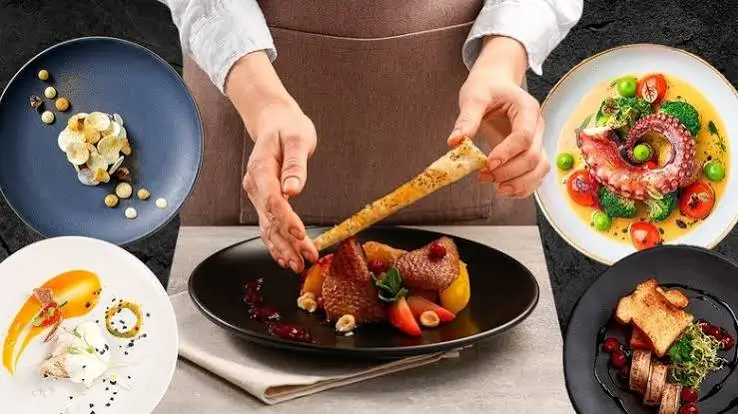
A food stylist is the person who makes food look as appealing on camera as it tastes on the plate. When you see a burger with perfectly positioned toppings, a bowl of soup with carefully placed herbs, or a slice of cake that looks impossibly fresh in a cookbook or advertisement, food stylist there is often a stylist working behind the scenes. Their job goes far beyond simply arranging ingredients on a plate. They consider color, texture, shape, lighting, composition, freshness, and even how a particular ingredient will behave under hot studio lights.
Food styling sits at the intersection of culinary knowledge, food stylist photography, design, and visual storytelling. A stylist needs to understand food well enough to prepare or manipulate it, but also needs an artistic eye for creating an image that communicates a particular mood. A breakfast scene might need to feel warm and relaxed, while an advertisement for a premium chocolate bar may require a polished, luxurious appearance. The food has to support that visual message.
The work can vary considerably depending on the project. A food stylist might prepare dishes for a restaurant menu, create images for a cookbook, work with a photographer on a commercial campaign, or style food for television and film. Some professionals specialize in one area, while others work across several types of media. The common thread is the ability to make food visually convincing while responding to the creative requirements of a client or production team.
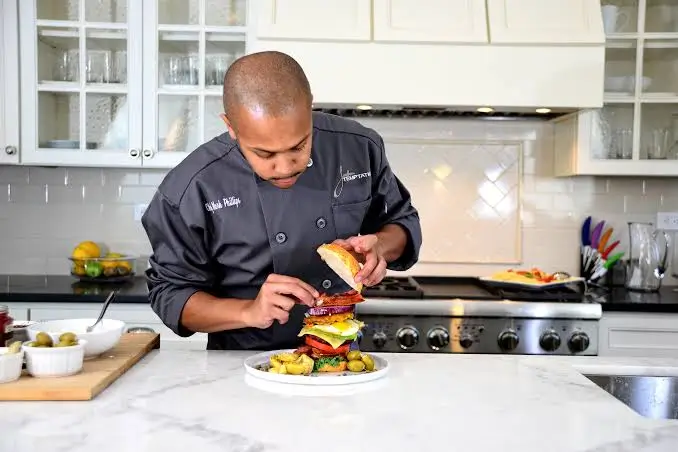
A successful food stylist also knows that attractive food does not always happen naturally. A real dish may taste excellent but photograph poorly. Lettuce can wilt, sauces can lose their shine, ice cream can melt, and cooked meat can become dull within minutes. The stylist has to anticipate these problems and find practical ways to keep the food looking fresh and appetizing throughout the shoot.
The Essential Skills Every Food Stylist Needs
You do not necessarily need to become a professional chef to work as a food stylist, but strong culinary knowledge is extremely valuable. Understanding cooking temperatures, ingredient behavior, food textures, knife work, sauces, baking, and plating gives a stylist much greater control over the final image. If a roasted vegetable needs to look golden without appearing dry, for example, the stylist needs to understand how cooking affects its surface and color.
Ingredient knowledge is equally useful. Different foods react differently to heat, moisture, air, and time. Fresh herbs may droop quickly. Cut fruit can discolor. Fried foods can lose their crisp appearance. Cheese can become oily under warm lighting. A stylist learns to recognize these changes and decide when to prepare an item, when to replace it, and how to present it so the camera captures it at its best.
A Strong Visual Eye
Technical cooking knowledge alone will not make someone a great food stylist. The profession is highly visual, so an understanding of composition is essential. The stylist needs to notice whether a plate feels balanced, whether the colors work together, whether the garnish is distracting, and whether the food has enough visual depth.
Small decisions can make a surprisingly large difference. Moving a piece of fruit slightly closer to a bowl can create a stronger composition. Adding a few crumbs beside a pastry can make the scene feel more natural. Removing an unnecessary garnish can allow the main dish to become the clear focal point. Great food styling often comes from knowing when to add something and, just as importantly, when to stop.
Patience is another underrated skill. A photograph may require dozens of small adjustments before everything feels right. A stylist may move one ingredient several times, reshape a portion, wipe a plate, adjust a sauce, or replace a garnish before the photographer captures the final shot. The process can be meticulous, but those details are often what separate an ordinary food photograph from a compelling one.
Communication is also crucial. Food stylists rarely work completely alone. They may collaborate with photographers, chefs, art directors, producers, advertising agencies, editors, restaurant owners, or filmmakers. Being able to understand a creative brief and communicate clearly with the rest of the team helps keep a production moving smoothly.
How Food Styling Works During a Professional Shoot
A professional food shoot usually begins well before the camera is switched on. The stylist may receive a creative brief describing the dish, mood, colors, serving style, background, and intended audience. From there, they help plan ingredients, serving pieces, utensils, surfaces, and other props. Depending on the project, they may prepare recipes themselves or work closely with a chef or recipe developer.
Preparation is often one of the busiest parts of the job. Multiple versions of the same dish may be made because the first version can deteriorate during the shoot. A stylist might keep backup vegetables, extra sauces, additional bread, fresh herbs, spare fruit, and several portions of the main dish ready for use. This may sound excessive until you consider how quickly food can change once it is exposed to studio conditions.
During the actual shoot, the stylist usually works close to the food while the photographer views the composition through the camera. They might adjust a noodle, reposition a topping, clean a plate edge, add a small amount of sauce, or replace an ingredient that no longer looks fresh. The photographer handles the camera and lighting, but the stylist remains responsible for how the food itself appears.
Styling for Different Types of Food
Different foods demand completely different approaches. A salad needs volume, color variation, and visible freshness. A burger needs carefully positioned layers so the fillings remain recognizable. A bowl of pasta may need controlled sauce distribution and strategically placed ingredients. Desserts often depend on texture, height, crumbs, glaze, or contrast between light and dark elements.
Beverage styling can be particularly demanding. Drinks may need to remain visually cold and refreshing even when they have been sitting under lights. Condensation, bubbles, ice, foam, fruit slices, and glass cleanliness all affect the final image. The stylist must create an appearance that communicates temperature and freshness even though the viewer cannot actually touch or taste the drink.
Commercial food photography can introduce another challenge: consistency. If a campaign requires several photographs of the same product, the food must look consistent from image to image. This means the stylist has to carefully control portions, ingredient placement, color, and presentation. A tiny difference can become obvious when photographs are displayed side by side.
Tools, Props, and Techniques Food Stylists Use
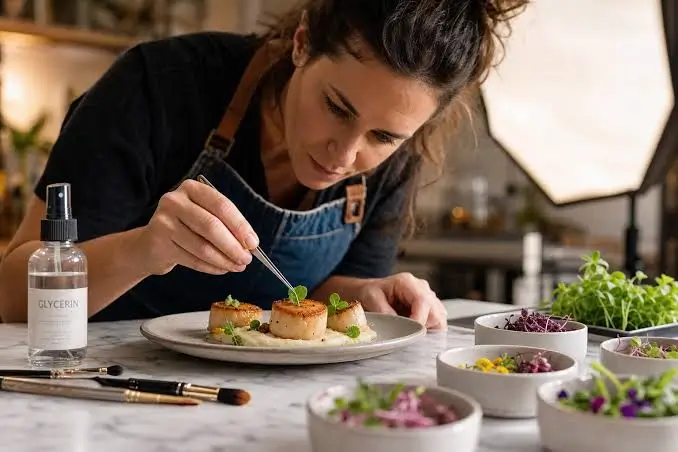
A food stylist’s workspace may look surprisingly different from an ordinary kitchen. Alongside standard cooking equipment, there can be tweezers, small brushes, squeeze bottles, spray bottles, scissors, toothpicks, skewers, small spatulas, cloths, brushes, plates, bowls, boards, and countless other useful items. These tools allow the stylist to make precise adjustments without disturbing the entire dish.
Props are another major part of the visual process. Plates, cutlery, glasses, wooden boards, napkins, serving dishes, and backgrounds help establish the personality of an image. A rustic breakfast might use natural wood and handmade ceramics, while an elegant dessert could require simple plates and a clean, sophisticated surface. The goal is not to fill the frame with objects. Every prop should support the food rather than compete with it.
One of the most important techniques is controlling freshness. Sometimes the food is photographed shortly after cooking; other times, specific preparation methods are used to make the food remain visually attractive for longer. A stylist might undercook certain ingredients slightly so they retain structure, carefully brush a surface to enhance its appearance, or replace tired garnishes with fresh ones immediately before photography.
Lighting also changes how food should be styled. Strong light can reveal unwanted imperfections, while softer light can create a warm and inviting mood. Shadows can add depth, but excessive darkness may hide important details. The stylist therefore needs to understand how the food will respond to the photographer’s lighting setup. A dish that looks beautiful under ordinary kitchen lighting may need adjustments once professional lights are introduced.
Why Small Details Matter
Professional food styling is often about details that viewers barely notice consciously. A clean plate rim makes an image feel polished. A slight variation in ingredient height can create depth. A carefully positioned fork can guide the eye toward the main dish. A few natural crumbs can make a baked product feel authentic instead of artificially perfect.
At the same time, excessive perfection can make food look unreal. The strongest images often contain controlled imperfections: a slightly folded napkin, an uneven sprinkle of herbs, a sauce that appears naturally distributed, or crumbs that suggest someone has just enjoyed the food. The stylist’s skill lies in making these imperfections look intentional without making the scene appear manufactured.
Building a Career as a Food Stylist
There is no single route into food styling. Some professionals begin in culinary arts, while others come from photography, visual merchandising, catering, graphic design, hospitality, or content production. What matters most is developing a strong combination of food knowledge and visual judgment. Formal education can help, but practical experience is particularly valuable because styling is a hands-on craft.
Someone starting from scratch can practice by photographing ordinary meals at home. Instead of concentrating only on expensive ingredients, beginners can learn with simple dishes such as sandwiches, pasta, fruit, pancakes, rice dishes, or desserts. The exercise is to understand how composition, color, texture, props, and light affect the appearance of the food.
Creating a portfolio is one of the most useful steps for anyone hoping to work professionally. A portfolio should demonstrate range rather than simply showing dozens of similar photographs. Include different food categories, compositions, moods, and serving styles. A prospective client should be able to look at the work and understand what kind of visual quality the stylist can produce.
Networking can also play a major role. Photographers, chefs, restaurants, advertising professionals, cookbook creators, publishers, and production companies may all become potential sources of work. Assisting an experienced stylist or photographer can be especially valuable because it provides an opportunity to observe how professional shoots are organized, how problems are solved, and how teams communicate under time pressure.
How Much Can a Food Stylist Earn?
Income varies widely depending on experience, location, specialization, project type, and whether the stylist is employed or works independently. A beginner may take smaller assignments while building a portfolio, whereas an experienced commercial stylist can work on larger advertising campaigns and high-profile productions.
Freelancers may charge by the day, project, or assignment. Their expenses can include ingredients, assistants, transportation, props, equipment, studio costs, and preparation time. This is why professional pricing should account for more than the hours spent standing beside the camera. A shoot that lasts one day may require several days of planning and preparation.
The career can become particularly rewarding for people who enjoy variety. One week might involve styling a cookbook recipe, another could involve restaurant photography, and a later project might require creating an elaborate breakfast scene for a commercial. The work combines creativity with practical problem-solving, making it a distinctive profession within the broader food and visual media industries.
The Future of Food Styling and How to Stand Out
Food styling continues to evolve as visual media changes. Traditional advertising, magazines, cookbooks, restaurant photography, social media, video production, and branded content all create opportunities for food professionals who understand visual presentation. Modern audiences encounter food through photographs and video constantly, which means the ability to make a dish immediately appealing remains valuable.
Video has also changed the nature of food presentation. A stylist working on moving images has to think about how food looks not just in one frame, but throughout a sequence. Cheese needs to stretch convincingly, sauces need to flow attractively, steam needs to appear at the right moment, and a finished dish may need to remain consistent through several takes. This requires timing and preparation that can differ significantly from still photography.
Technology has made some parts of the creative process easier, but it has not eliminated the need for skilled stylists. Cameras can capture extraordinary detail, while editing tools can correct certain imperfections after a shoot. Yet authentic food texture, natural presentation, believable portions, and physical arrangement still begin in front of the camera. Digital tools cannot completely replace the judgment involved in deciding how the actual food should be prepared and positioned.
For someone hoping to stand out, developing a recognizable style can be useful. That does not necessarily mean making every photograph look identical. Instead, it means becoming known for particular strengths, such as natural rustic food scenes, sophisticated commercial compositions, colorful recipe photography, desserts, beverages, or cinematic food imagery.
The best stylists also keep learning. They study photography, observe restaurant presentation, experiment with unfamiliar ingredients, practice different lighting conditions, and pay attention to how professional campaigns communicate visually. Curiosity matters because food itself is endlessly varied. Every ingredient presents a different challenge, and every creative brief can require a new solution.
Conclusion
A food stylist does much more than make a plate look pretty. The profession combines culinary understanding, visual composition, creativity, patience, preparation, and precise hands-on work. The stylist is responsible for turning food into a visual experience that can communicate freshness, comfort, luxury, excitement, tradition, or appetite before the viewer ever takes a bite.
For aspiring professionals, the field offers several possible entry points. Culinary experience can provide a strong foundation, but photography, design, hospitality, and practical experimentation can be equally valuable starting points. Building a varied portfolio, learning how food behaves on camera, developing communication skills, and gaining experience on real productions can gradually open professional opportunities.
At its heart, food styling is about storytelling through food. A carefully arranged breakfast can suggest a slow Sunday morning. A steaming bowl can communicate comfort. A perfectly styled dessert can feel indulgent before anyone tastes it. Behind those simple impressions is a craft that requires far more thought than the finished photograph might suggest.
FAQS About Food Stylist
1. What does a food stylist do?
A food stylist prepares and arranges food so it looks attractive for photography, video, advertising, cookbooks, menus, magazines, restaurants, and other visual projects. They work with ingredients, plates, props, backgrounds, and presentation details to create the desired appearance.
2. Do you need to be a chef to become a food stylist?
No. Being a chef is not a requirement, although culinary knowledge is extremely helpful. A food stylist should understand ingredients, cooking methods, textures, freshness, and plating. Someone without professional culinary training can develop these skills through practice and experience.
3. What skills are most important for a food stylist?
Strong visual judgment, culinary knowledge, attention to detail, creativity, patience, organization, and communication are among the most valuable skills. A stylist also needs to solve problems quickly when food changes during a shoot.
4. What kinds of projects hire food stylists?
Food stylists can work on cookbook photography, restaurant menus, advertising campaigns, packaging, magazines, television programs, films, social media content, recipe photography, and commercial video productions.
5. What tools does a food stylist use?
Common tools include tweezers, brushes, small spatulas, scissors, squeeze bottles, spray bottles, skewers, toothpicks, cloths, plates, bowls, serving utensils, and various cooking tools. The exact toolkit depends on the type of food and production.
6. Can a beginner learn food styling at home?
Yes. Home practice is an excellent way to develop foundational skills. Beginners can photograph simple dishes and experiment with plating, natural light, backgrounds, props, color combinations, and composition.
7. Why doesn’t food always look the same in photographs as it does in real life?
Food changes quickly under photography conditions. Heat from lights can affect ingredients, sauces can lose their appearance, vegetables can wilt, and certain foods can dry out. Food stylists use careful preparation and presentation techniques to keep the dish looking appealing.
8. How do food stylists get their first professional jobs?
Many begin by building a portfolio and connecting with photographers, chefs, restaurants, creative agencies, publishers, and production teams. Assisting an experienced stylist can also provide valuable practical experience and industry contacts.
9. Is food styling a good career for creative people?
It can be an excellent choice for someone who enjoys both creativity and practical work. The profession combines cooking, photography, design, visual storytelling, organization, and problem-solving, so no two projects necessarily feel exactly alike.
10. What makes someone an excellent food stylist?
An excellent food stylist understands that attractive food is about more than decoration. They know how to preserve freshness, create believable compositions, work efficiently with photographers and clients, solve unexpected problems, and make the final image communicate a clear feeling or story.
