


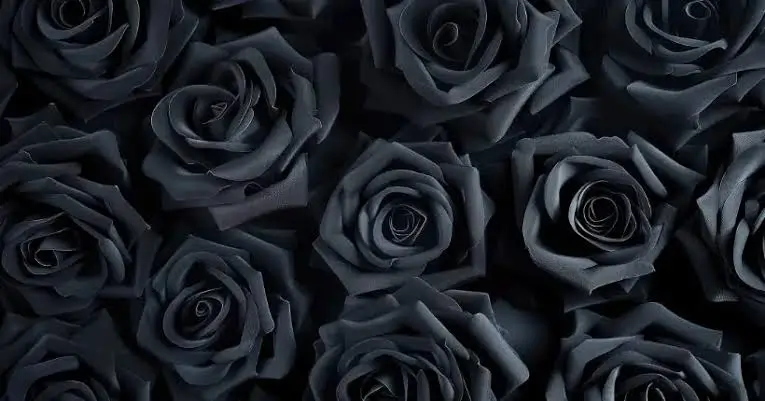
Black roses have an unusual ability to stop people in their tracks
Black roses have an unusual ability to stop people in their tracks. Their deep, dramatic color gives them an appearance that feels almost unreal, especially when compared with the familiar shades of red, pink, yellow, and white found in traditional rose gardens. A truly black rose is not naturally produced by ordinary rose genetics, yet flowers marketed or described as black roses can display incredibly dark burgundy, maroon, crimson, or purple petals that appear almost completely black under certain lighting.
That visual mystery is only part of their appeal. Black roses have gathered a fascinating collection of meanings throughout history and modern culture. Depending on the situation, they can represent mystery, transformation, farewell, grief, rebellion, strength, elegance, or the beginning of something completely new. Unlike a conventional red rose, whose romantic meaning is relatively straightforward, the black rose leaves room for interpretation.
Their rarity also makes them especially interesting to gardeners, florists, artists, and flower enthusiasts. Some dark roses are naturally bred varieties, while others are created through careful dyeing or floral treatments. Understanding the difference can make the search for the perfect black rose much more rewarding.
What Are Black Roses? Understanding Their True Color
The first thing to understand about black roses is that naturally occurring roses with petals containing a truly pure black pigment are extraordinarily rare and, in the conventional sense, do not exist as a naturally black-flowered rose. What people call a “black rose” is usually an exceptionally dark red, burgundy, purple, or crimson rose. When the petals contain very high concentrations of dark pigments, they can look black from a distance or in low light.
This effect is particularly striking when a rose has velvety petals. The surface of a dark rose absorbs a significant amount of light, creating shadows between the petals and making the flower appear even darker. A flower that looks nearly black in a photograph may reveal deep wine-red or plum tones when viewed in bright sunlight. This is one reason photographs of black roses can vary dramatically from what someone sees in person.
Natural Dark Roses Versus Dyed Roses
There is a major difference between naturally bred dark roses and artificially colored roses. Naturally dark varieties develop their color through genetics and pigmentation, meaning the petals grow in their characteristic shade from the beginning. Their color may range from deep crimson to burgundy and almost-black purple depending on the cultivar, weather, soil conditions, age of the flower, and lighting.
Dyed black roses are different. Florists can take white or light-colored roses and introduce black floral dye through the stem or directly into the petals. The result can be much closer to a visually pure black flower. These roses can be dramatic and attractive, but they should not be confused with naturally dark cultivars. If authenticity matters, ask a florist whether the color comes from the plant itself or from a floral dye.
Another interesting point is that the color of some naturally dark roses can change as the flower opens. A newly opened bloom may appear nearly black at its edges before revealing warmer red or purple tones. As the petals mature, sunlight can also affect their appearance. This changing quality is part of what makes dark roses so captivating.
The Meaning and Symbolism of Black Roses
Few flowers have as many contrasting symbolic meanings as black roses. Their interpretation depends heavily on culture, occasion, personal experience, and the relationship between the giver and recipient. While red roses are strongly associated with romantic love, black roses occupy a much more mysterious territory.
One of their most common meanings is transformation. Black is often associated with endings, while a rose represents life, beauty, and growth. Together, the two can symbolize the end of one chapter and the beginning of another. Someone starting a new career, leaving a difficult period behind, moving to a new place, or undergoing a major personal change might connect deeply with this symbolism.
Black roses can also represent strength and independence. Their dramatic appearance has made them popular among people who want something different from conventional floral arrangements. Instead of communicating traditional romance, a dark rose can express individuality, confidence, and an unwillingness to follow ordinary expectations.
Love, Farewell, and Mystery
In romantic situations, black roses can have a more complicated meaning. They may represent an intense or unconventional love, particularly when paired with red roses. A bouquet containing both colors can create a visual contrast between passion and mystery. However, giving someone an entirely black arrangement may sometimes suggest farewell, separation, or the end of a relationship, depending on the recipient’s interpretation.
Black roses are also associated with mourning and remembrance. Their dark appearance naturally fits solemn occasions, although their meaning does not have to be exclusively sad. They can represent respect for someone who has passed away, the closing of a meaningful chapter, or the memory of an experience that profoundly changed someone’s life.
Mystery is another strong association. The unusual appearance of black roses makes them a natural symbol for the unknown. They are frequently used in gothic art, fantasy stories, alternative fashion, photography, and dramatic interior arrangements. Their symbolism can therefore be deeply personal: one person may see darkness and grief, while another sees elegance, courage, and reinvention.
Popular Black Rose Varieties and Dark Rose Alternatives
Although a genuinely pitch-black rose is not a standard naturally occurring garden rose, several cultivars are famous for producing exceptionally dark flowers. These varieties are often the best choice for gardeners who want a black-rose appearance without relying on artificial dye.
One well-known example is Black Baccara, a hybrid tea rose recognized for its very dark burgundy petals. Under certain lighting, the flowers can appear almost black, particularly as the buds begin to open. The petals have a velvety quality that contributes to the dramatic effect. Black Baccara is especially popular in cut-flower arrangements because its long stems and sophisticated appearance make it suitable for formal bouquets.
Another famous dark rose is Black Magic, which produces rich, deep red blooms. Although the flowers are not actually black, their intense coloration can create a similar visual impression. Black Magic is valued for its elegant form and strong presence, making it a popular choice for gardeners who want a dramatic rose without artificial coloring.
Choosing the Right Dark Rose
When selecting a dark rose, appearance should not be the only consideration. Garden conditions matter. Some varieties perform better in warm climates, while others prefer cooler growing conditions. Disease resistance, mature plant size, fragrance, flowering habits, and sunlight requirements can also vary significantly.
If your goal is primarily cut flowers, a long-stemmed hybrid tea may be ideal. If you want a garden display, a shrub rose with repeated flowering could be more practical. For a dramatic landscape effect, planting dark roses alongside pale flowers can make their color stand out even more.
White, cream, silver, and soft pink flowers create particularly strong companions for dark roses. The contrast allows the deep petals to become the visual centerpiece without making the garden feel overwhelmingly dark. Even a few dark roses can have a major impact when surrounded by lighter foliage and flowers.
How to Grow and Care for Dark Roses
Growing a dark rose successfully requires essentially the same fundamentals as growing other healthy rose varieties. Start by selecting a location that receives plenty of direct sunlight. Roses generally perform best when they receive several hours of strong sunlight each day, because adequate light supports vigorous growth and abundant flowering.
Good soil preparation is equally important. Roses prefer fertile, well-draining soil rather than ground that remains saturated after watering. If the soil is heavy clay, improving its structure with suitable organic matter can help drainage and root development. A healthy root system gives the plant a much better foundation for producing strong stems and attractive blooms.
Watering should be deep and consistent rather than shallow and frequent. Newly planted roses need particular attention while their roots become established. Once established, watering should be adjusted according to weather, soil type, and plant size. Watering directly around the base is generally preferable to repeatedly wetting the foliage, especially in humid conditions.
Pruning, Feeding, and Disease Prevention
Pruning helps maintain the plant’s shape, encourages productive new growth, and removes damaged or weak wood. The exact pruning approach depends on the type of rose, but dead, diseased, and damaged stems should generally be removed when appropriate. Clean, sharp pruning tools also reduce unnecessary damage to the plant.
Feeding can support flowering, particularly during active growth. A balanced rose fertilizer or suitable organic fertilizer can provide nutrients without forcing excessive leafy growth at the expense of flowers. Always follow the instructions for the specific fertilizer being used rather than assuming that more fertilizer will produce better blooms.
Dark roses can face many of the same problems as other roses, including aphids, fungal diseases, black spot, powdery mildew, and various environmental stresses. Regularly examining leaves and stems makes it easier to catch problems early. Good air circulation, appropriate spacing, proper watering practices, and removal of severely affected plant material can all contribute to healthier plants.
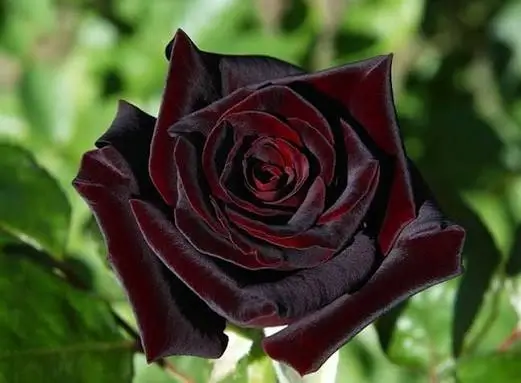
Gardeners should also black roses remember that petal color can be influenced by environmental conditions. Intense sunlight, temperature, flower maturity, and moisture can affect how dark a bloom appears. A rose that looks almost black in the early morning may appear distinctly burgundy or red later in the day.
How Black Roses Are Used in Bouquets, Weddings, and Décor
Black roses are particularly effective when a floral arrangement needs a strong visual identity. Their unusual color can turn an ordinary bouquet into something theatrical and memorable. Florists often combine dark roses with white flowers, eucalyptus, baby’s breath, deep greenery, or red blooms to create arrangements ranging from sophisticated to gothic.
For weddings, black roses can work surprisingly well when used thoughtfully. They are especially suited to modern, gothic, autumn, Halloween-inspired, vintage, and dramatic wedding themes. A bouquet of dark roses combined with ivory flowers can look elegant rather than gloomy, while black and burgundy flowers can create a rich, romantic atmosphere.
Their use is not limited to celebrations. Black roses can also be appropriate for memorial arrangements, artistic photography, theater productions, restaurants, event decoration, and seasonal displays. Their visual intensity allows them to communicate emotion without requiring a large number of flowers.
Creating a Balanced Arrangement
The key to using black roses successfully is balance. If every element in an arrangement is equally dark, individual flowers can lose definition. Adding lighter textures gives the eye somewhere to rest and helps the dark petals remain visible.
For example, three or five dark roses surrounded by cream-colored flowers and soft greenery can look refined and luxurious. Meanwhile, black roses combined with deep red flowers, dark foliage, and textured branches can create a much more dramatic gothic effect.
The vase or container also matters. A simple glass vase can make the flowers feel contemporary, while an antique-style container can emphasize their mysterious character. Candlelight is another particularly effective setting because gentle illumination can reveal the subtle burgundy and purple tones hidden within very dark petals.
Why Black Roses Continue to Fascinate People
The enduring appeal of black roses comes from their contradiction. Roses are traditionally symbols of beauty, affection, celebration, and life, while black is often connected with mystery, darkness, endings, and the unknown. Putting those ideas together creates a flower that can communicate several emotions at once.
They also appeal to people who prefer individuality over convention. A traditional bouquet is immediately recognizable, but a dark rose arrangement asks the viewer to look twice. Its unusual appearance can feel sophisticated, rebellious, romantic, melancholic, or mysterious depending on how it is presented.
For gardeners, black roses offer another kind of fascination: the pursuit of an appearance that nature rarely provides in absolute form. The darkest cultivars demonstrate how selective breeding can create extraordinary shades without producing a truly black pigment. Florists, meanwhile, can use dyeing techniques when a stronger black appearance is desired.
Ultimately, there is no single definition that applies to every black rose. Its meaning belongs partly to the person who gives it and the person who receives it. That flexibility is perhaps its greatest strength.
Conclusion
Black roses are among the most visually intriguing flowers available to gardeners and flower lovers. Although naturally pure-black roses are not a typical botanical reality, exceptionally dark varieties such as Black Baccara and Black Magic can produce blooms that come remarkably close to the mysterious appearance people associate with them.
Their symbolism is just as fascinating as their color. Black roses can express transformation, strength, mystery, remembrance, farewell, or unconventional love. In gardens, they create dramatic contrast; in bouquets, they bring sophistication and character; and in personal gifts, they can communicate emotions that ordinary flowers sometimes cannot.
Whether you grow a naturally dark cultivar or choose professionally dyed flowers, black roses offer something distinctive. They remind us that beauty does not always have to be bright or conventional. Sometimes the most memorable flower is the one that carries a little mystery with it.
FAQS About Black Roses
1. Are black roses naturally real?
True roses with completely black petals do not naturally occur as a standard rose color. Most naturally grown “black roses” are actually extremely dark burgundy, crimson, maroon, or purple varieties that can appear black under certain lighting.
2. What do black roses symbolize?
Black roses can symbolize several things, including mystery, transformation, strength, farewell, remembrance, independence, and the ending of one chapter before another begins. Their meaning depends on the context and the person receiving them.
3. What is the darkest natural rose?
Several cultivars are known for extremely dark flowers. Black Baccara is one of the most recognizable examples, producing deep burgundy blooms that can appear nearly black in certain conditions.
4. Can I grow black roses in my garden?
Yes. You can grow naturally very dark rose cultivars in a garden. Choose a variety suitable for your climate and provide sufficient sunlight, well-draining soil, regular watering, feeding, pruning, and good air circulation.
5. Are black roses suitable for weddings?
Yes. Black roses can look beautiful at modern, gothic, dramatic, autumn, or unconventional weddings. Pairing them with ivory, white, blush, or soft greenery can create an elegant contrast.
6. Are black roses a symbol of death?
They can be associated with death, mourning, and farewell, but that is not their only meaning. Black roses can also represent transformation, strength, rebirth, mystery, and personal change.
7. How are artificially black roses made?
Florists can create black roses by using floral dyes. Light-colored roses are commonly treated with dye so that the petals absorb the desired color. These flowers can look much closer to pure black than naturally dark rose varieties.
8. Do black roses have a fragrance?
It depends on the variety. Some very dark roses have noticeable fragrance, while others are selected primarily for their color and flower shape. If fragrance is important, check the characteristics of the specific cultivar before purchasing it.
9. What flowers look good with black roses?
Black roses pair particularly well with white roses, cream flowers, burgundy blooms, soft pink flowers, eucalyptus, silver-green foliage, and other plants with contrasting colors and textures. The right combination depends on whether you want an elegant, romantic, modern, or gothic appearance.
10. Why do some black roses look red or purple?
Dark rose petals contain pigments that create deep red, burgundy, or purple shades rather than a true black pigment. Lighting, temperature, flower age, and viewing angle can change how those colors appear, which is why a rose may look almost black in one setting and clearly burgundy in another.
