



A powerful photograph can communicate an entire story before a single word is read
A powerful photograph getty images can communicate an entire story before a single word is read. A dramatic sports image can capture the tension of a championship final, a carefully composed business photograph can establish the mood of a corporate report, and an editorial image can preserve a moment of history for generations. Few names are as closely associated with professional visual storytelling as Getty Images.
Getty Images is widely recognized as a major source of licensed photography, video footage, illustrations, and other visual media. Its collection reaches across an extraordinary range of subjects, from breaking news and international events to celebrities, sports, entertainment, business, travel, nature, and everyday life. For publishers, advertisers, broadcasters, designers, and creative professionals, the platform represents something more valuable than simply a large collection of pictures: it provides access to visual material created for professional use.
Understanding Getty Images, however, requires looking beyond the familiar image-search interface. The company operates within a complex world of copyright, licensing, editorial photography, commercial content, creative production, and visual archives. Knowing how these elements work can help anyone who needs professional imagery make better decisions about finding, licensing, and using photographs.
What Is Getty Images and Why Is It So Well Known?
Getty Images is a global visual media company known primarily for its extensive collection of photographs, videos, illustrations, and other creative assets. Its library includes both contemporary material and historically significant imagery. The platform serves a broad professional audience, including newspapers, magazines, broadcasters, advertising agencies, businesses, publishers, designers, and production companies.
One of the most distinctive features of Getty Images is the variety of material available through its collection. Someone searching for a photograph of a famous athlete may encounter professionally captured sports photography from a major competition. A journalist researching a political event may find editorial images taken at the scene. A company preparing a presentation might instead need a polished commercial photograph representing teamwork, technology, travel, or leadership. These different purposes are reflected in the way visual content is categorized and licensed.
The company’s reputation is also closely connected with the photographers and agencies represented within its ecosystem. Professional photographers spend considerable time traveling, preparing equipment, gaining access to events, and capturing moments that may last only a fraction of a second. A successful photograph can require technical ability, patience, timing, and an understanding of the subject. Getty Images provides a marketplace and distribution system through which this professional work can reach organizations around the world.
Editorial and Creative Content
A useful distinction when exploring Getty Images is the difference between editorial and creative imagery. Editorial photographs generally document real people, events, places, and situations. They are especially common in journalism and coverage of current affairs. A photograph showing a political leader speaking at an official event, for example, has a fundamentally different purpose from a staged photograph of actors pretending to conduct a business meeting.
Creative imagery is often produced with a more controlled concept in mind. Models, locations, lighting, clothing, and composition may all be arranged to communicate a particular idea. Such photographs can be useful for advertisements, brochures, presentations, campaigns, magazines, and corporate materials.
This distinction matters because the permitted use of an image can depend on its licensing conditions. A photograph being visible online does not automatically mean it can be copied and used freely. Professional image libraries exist precisely because photography is protected creative work, and licensing provides a structured way for organizations to obtain permission for particular uses.
How Getty Images Licensing Works
Licensing is one of the most important concepts to understand when using professional imagery. Purchasing or obtaining a license for a photograph generally does not mean that the buyer becomes the owner of the copyright. Instead, the license provides permission to use the material according to specific terms.
Those terms can vary considerably. An image might be licensed for a particular publication, campaign, geographic region, period, audience, or type of media. Some licenses may provide broad usage rights, while others are designed for specific circumstances. The exact conditions therefore deserve attention before an image is published or distributed.
For example, imagine a company wants to use a photograph of a city skyline in a printed annual report. That use is different from placing the same photograph on a national advertising campaign, packaging a commercial product with it, or using it in a paid television advertisement. The visual file may be identical, but the context and purpose of the use can change the licensing requirements.
Why Copyright Matters
Copyright exists to protect the creative work of photographers, illustrators, filmmakers, and other creators. When an organization licenses an image, part of the payment supports the professional ecosystem that made the image possible. This is especially relevant for editorial photography, where photographers may invest significant resources in covering events.
A common mistake is assuming that an image found through an online search can simply be downloaded and reused. Search engines and image libraries make discovering photographs easy, but discoverability is not the same as permission. A photograph can appear publicly on a screen while remaining fully protected by copyright.
For businesses and publishers, keeping records of licensed imagery can be a sensible professional practice. It helps establish where an image came from, what permission was obtained, and how it was intended to be used. This becomes particularly valuable when content is distributed across multiple platforms or remains publicly available for years.
The Different Types of Visual Content Available
One reason Getty Images has become such a recognizable name is the breadth of its visual collection. Photography is at the heart of the service, but the broader library extends into several forms of visual storytelling. Users can find images covering subjects as diverse as entertainment, sports, politics, health, business, science, fashion, food, travel, wildlife, and culture.
Photography itself can serve very different purposes. Editorial photography records events as they happen, while commercial and creative photography may be designed around a specific communication goal. Portraits, conceptual images, lifestyle scenes, architectural photography, and specialized professional imagery can each serve different needs.
Video is another major part of professional visual communication. Short clips and longer footage can be valuable for documentaries, news broadcasts, presentations, advertisements, entertainment productions, and social content. Moving images offer something a still photograph cannot: the ability to capture motion, atmosphere, sound-related context, and a sequence of events.
Sports, Entertainment, and News Photography
Getty Images is particularly associated with high-profile event photography. Sports provide an excellent example. A professional sports photographer may need to anticipate movement, work from restricted positions, deal with difficult lighting, and capture an important moment at precisely the right instant. The resulting photograph can become a defining image of a tournament or season.
Entertainment photography has its own demands. Red-carpet events, film premieres, award ceremonies, concerts, and celebrity appearances require photographers to work quickly in crowded environments. The images produced can become part of the public record surrounding a major cultural event.
News photography is different again. The photographer’s role is often to document what happened rather than manufacture a scene. Such images can become valuable historical records because they preserve visual evidence of events that might otherwise exist only in written descriptions.
How to Find the Right Image on Getty Images
Finding an appropriate professional image is not simply a matter of typing a broad word into a search box and choosing the first attractive result. The strongest image is usually the one that fits the intended message, audience, format, and context.
A good starting point is to define the purpose of the image. Are you illustrating a news story, creating a presentation, designing an advertisement, preparing a magazine article, or developing a corporate publication? Once the purpose is clear, consider the subject, setting, mood, composition, orientation, and people involved.
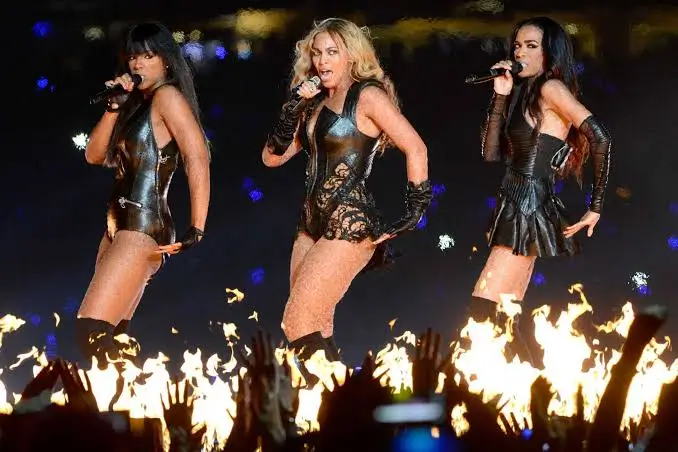
For instance, a business article getty images about leadership might be supported by a photograph of executives in a meeting, but a more conceptual image of a person standing before a large window could communicate ambition or decision-making more subtly. The best choice depends on the story being told.
Pay Attention to Composition
Composition is often overlooked when people search for stock or professional photography. Yet it can determine whether an image works beautifully or awkwardly within a design.
A photograph with empty space on one side may be particularly useful when text needs to appear beside the subject. A vertical portrait may work better for a magazine cover or mobile-oriented design, while a wide photograph could be more appropriate for a presentation slide or banner.
Color and lighting also influence the emotional impact of an image. Bright natural lighting can create an open, optimistic feeling, while dramatic shadows may suggest seriousness, mystery, or tension. Choosing an image based only on the subject can therefore produce a weaker result than considering the complete visual composition.
Getty Images and the Future of Professional Visual Storytelling
The visual media industry continues to evolve as technology changes how photographs and videos are produced, distributed, edited, and consumed. Getty Images operates within this changing environment while continuing to provide access to professionally created visual material.
One significant development is the growing conversation around artificial intelligence and generated imagery. AI can create visuals that never existed as photographs, while professional photography records real people, places, and events. These two approaches can serve different purposes. A generated illustration might be ideal for an imaginative concept, while an authentic photograph from a historical event provides documentary value that synthetic imagery cannot reproduce in the same way.
Authenticity is particularly important in journalism. When an image is presented as documentation of a real event, viewers need confidence that the photograph accurately represents what occurred. Professional photographic archives therefore continue to have value even as new image-generation technologies become increasingly sophisticated.
The Continuing Value of Human Photographers
Photography remains fundamentally connected to human observation. A camera can technically record a scene, but the photographer decides where to stand, when to press the shutter, what to include in the frame, and which moment deserves to be preserved.
Consider a championship match. Thousands of images may be captured during a game, but only a handful might truly express the emotion of victory or defeat. The photographer must recognize that moment and react almost instantly. That combination of experience, anticipation, access, and timing is difficult to replace with a simple image-search system.
Professional image libraries also preserve visual history. Photographs of important people, cultural movements, sporting achievements, disasters, celebrations, and political events become part of society’s collective memory. Their value can extend far beyond their original publication.
Conclusion
Getty Images represents much more than a huge collection of photographs. It is part of a professional visual ecosystem connecting photographers, filmmakers, publishers, broadcasters, businesses, designers, and audiences. Its extensive collection demonstrates how powerful imagery can be when it is professionally created, carefully selected, and properly licensed.
For anyone using professional photography, the most important lesson is to think beyond simply finding an attractive picture. Consider the purpose of the image, its context, its licensing conditions, its composition, and the message it communicates. A strong photograph should not merely decorate a page; it should contribute meaning to the story.
As visual communication continues to evolve, professional photography will remain valuable because authentic images capture something difficult to manufacture: a real moment witnessed by a real person. Getty Images has built its reputation around making those moments accessible to organizations and audiences across the world.
FAQS About Getty Images
1. What is Getty Images?
Getty Images is a global visual media company that provides access to professional photographs, videos, illustrations, and other visual content. Its collection covers editorial, creative, entertainment, sports, business, news, and many other subjects.
2. Can anyone use images from Getty Images for free?
Generally, simply finding or viewing an image on Getty Images does not give someone permission to reuse it. Many images require an appropriate license. The specific terms depend on the image and intended use.
3. Does buying a Getty Images image mean you own it?
Usually, licensing an image gives you permission to use it under specified conditions rather than transferring copyright ownership. The photographer or copyright holder generally retains the underlying rights.
4. Why are Getty Images photographs expensive?
Professional photography involves more than pressing a camera button. Photographers may spend money on equipment, travel, assistants, access, production, editing, insurance, and other expenses. Licensing also compensates creators and rights holders for professional use of their work.
5. What is the difference between editorial and creative images?
Editorial images generally document real people, events, and situations, particularly for news and informational purposes. Creative images are often produced or selected for commercial and conceptual communication, with greater control over the scene and its presentation.
6. Can Getty Images photographs be used in articles?
They can be used when the appropriate rights or license permit that particular use. The fact that an image is suitable for an article does not automatically mean it can be copied without permission.
7. Does Getty Images offer videos as well as photographs?
Yes. Professional video footage is an important part of the visual media ecosystem, covering areas such as news, sports, entertainment, lifestyle, business, and other subjects.
8. Why are Getty Images sports photographs so widely recognized?
Professional sports photography requires excellent timing, technical skill, knowledge of the game, and access to important events. A single photograph can capture an emotional or historic moment that becomes closely associated with a major sporting occasion.
9. How should I choose a Getty Images photograph?
Start by identifying the purpose of the image. Then consider the subject, mood, composition, orientation, lighting, audience, and intended placement. Finally, make sure the licensing terms match the way you intend to use it.
10. Is Getty Images still relevant with AI-generated images becoming popular?
Yes. AI-generated imagery and professional photography serve different purposes. Generated images can be useful for fictional or conceptual visuals, while professionally captured photographs provide authentic documentation of real people, places, and events. That distinction remains particularly valuable in journalism and historical documentation.
